I’ve been writing for sci-fi communities for over 12 years now, and if there is one thing I’ve learned, it’s that the audience’s relationship with "slow-burn" cinema is constantly evolving. In an era where trailers are cut to look like music videos and every scene seems obsessed with jumping to the next explosion, Arrival remains a masterclass in why you need to press the brakes. Before we dive in, let’s get the ground rules out of the way: if you’re planning on watching this for the first time, turn off your phone, dim the lights, and give the film your undivided attention. Arrival rewards patience in a way that modern blockbusters rarely dare to.
The Pacing of Silence
When I talk about arrival emotional impact with fellow cinephiles, the first thing I point to is the pacing. Most alien contact films are structured around the "shock and awe" of arrival—the destruction of landmarks, the dogfights, the military chest-thumping. Director Denis Villeneuve takes a completely different approach. He treats the arrival of the heptapods not as a war declaration, but as a crisis of communication.
The pacing here is deliberate, almost meditative. By slowing down the tempo, Villeneuve allows the audience to sit in the tension. You aren't being rushed from one set piece to another; you are invited to feel the weight of the air, the coldness of the fog, and the exhaustion of Louise Banks (Amy Adams). It’s this specific choice of pacing that creates scified a vacuum, one that the viewer eventually fills with their own mounting anxiety and, eventually, a profound sense of melancholy.
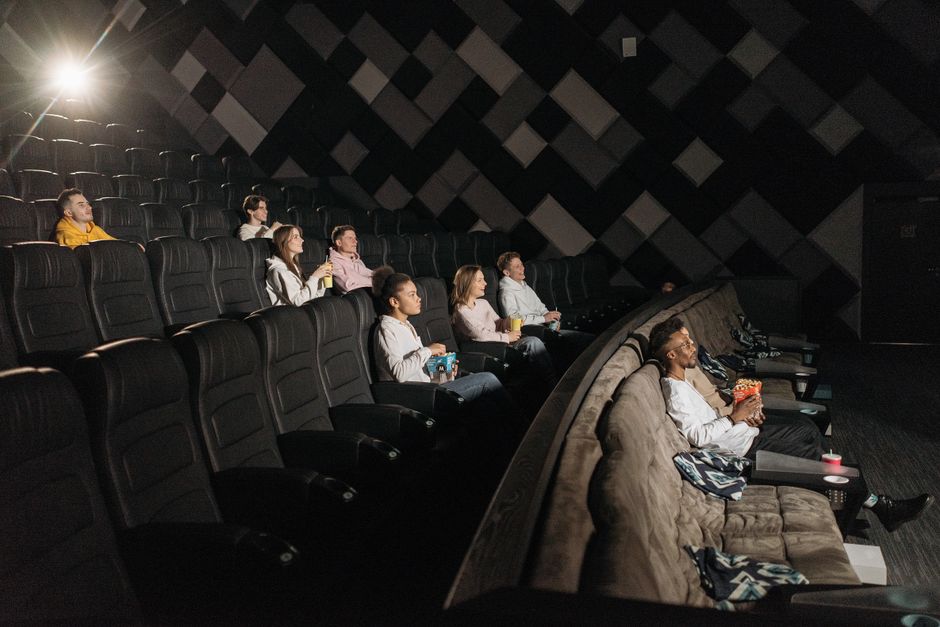
Atmosphere, Sound, and the "Dim Lights" Rule
A huge part of why this film works is the marriage of cinematography and sound design. Bradford Young’s cinematography is intentionally murky and muted—very little of the "Hollywood gloss" we see in most sci-fi. It feels lived-in, grounded, and physically heavy. Then there’s the late, great Jóhann Jóhannsson’s score. It isn't there to tell you what to feel; it’s there to anchor you in the alien nature of the situation.
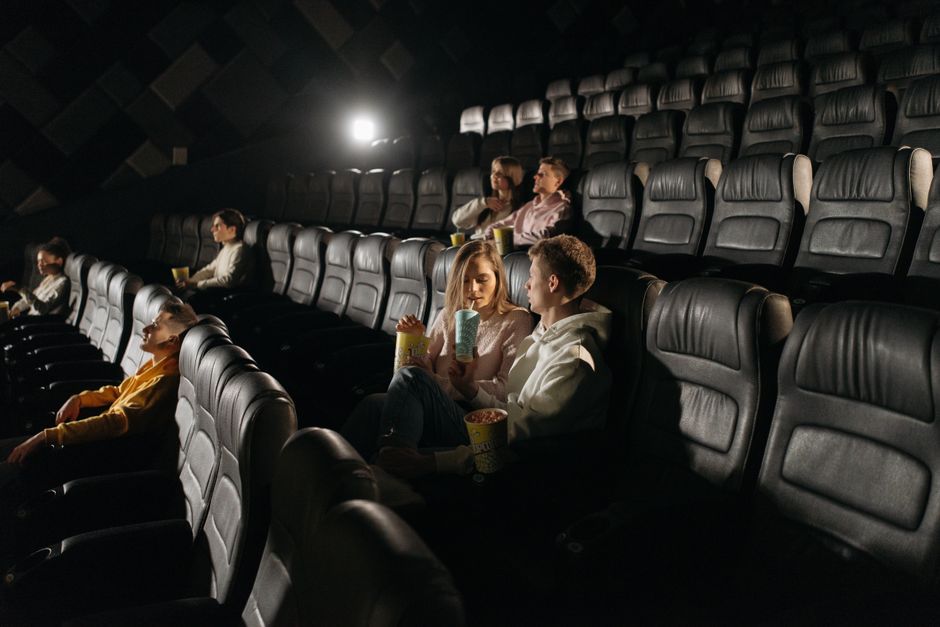
If you watch this on a phone while folding laundry, you’re missing 60% of the film. The subtle shifts in the soundscape, the way the dialogue echoes in the shell, and the visual cues in the background all require a viewer to be fully "in the room." This is the ultimate "dim lights" movie. When the sound design is this immersive, you don't just watch it; you experience it.
The "Tearjerker" Factor: Without the Spoilers
People often ask me, "Why do people call it a tearjerker?" Usually, when I see a movie described as a "tearjerker," I worry it’s just manipulative, Hallmark-channel-adjacent filmmaking. That isn't the case here. Arrival isn't trying to make you cry with sudden, cheap deaths or tragic music swells. Instead, the emotional weight comes from the realization of how time and choice themes function within the narrative.
The film poses a question: If you could see your life from start to finish, would you change things? The tragedy in the film isn't a "twist" that invalidates the plot; it is a fundamental shift in perspective. It’s about the inevitability of loss and the beauty of choosing to walk into that loss anyway. It is human connection sci-fi at its absolute peak—it isn't about aliens; it’s about the human condition viewed through an extraterrestrial lens.
A Quick Look at Slow-Burn Sci-Fi
To give you an idea of where Arrival sits in the pantheon of deliberate, atmospheric sci-fi, I’ve put together this quick comparison table based on my own watchlist criteria.
Film Atmosphere Pacing Primary Focus Arrival (2016) Visceral/Muted Slow-Burn Language & Time Stalker (1979) Dystopian/Bleak Extremely Slow Faith & Desire Moon (2009) Isolated/Sterile Measured Identity & Solitude Ex Machina (2014) Clinical/Tense Methodical Ethics & AIWhy We Need More "Slow" Cinema
We are currently obsessed with "content." There is a pressure to consume, to rank, and to move on to the next thing before the credits even roll. But Arrival demands that you linger. It is a film that sits in the back of your mind for days. The human connection sci-fi aspects, specifically the linguistic theory introduced in the film (the Sapir-Whorf hypothesis), encourage you to think about how language shapes the way we experience reality.
If you're tired of corporate-speak reviews calling every sci-fi movie a "mind-bending thriller," let me be clear: Arrival is a drama that happens to involve aliens. It is a film about the choice to love someone despite knowing the outcome. That isn't a "twist"; that’s life. When you view the movie through that lens, you understand why it stays with people long after the screen goes black.
Refining Your Watchlist
If you're curating your own watchlist of "films that reward patience," here is how I suggest you approach Arrival:
Select the right time: Don't watch this when you're tired or stressed. You need the cognitive space to process the non-linear narrative. Sound matters: If you don't have surround sound, use decent headphones. The bass frequencies during the communication scenes are essential. Avoid the "Trailer Trap": If you haven't seen it, do not look up spoilers. The emotional impact relies on you piecing the mystery together alongside Louise.Ultimately, Arrival is a reminder that science fiction is at its best when it moves away from the "us vs. them" military trope and toward the "who are we?" philosophical inquiry. It is a film that respects your intelligence, respects your patience, and rewards you with a moment of catharsis that is earned through every quiet, calculated frame.
Did you find this post helpful? Feel free to share your own thoughts on your favorite slow-burn sci-fi films on your socials. Let's keep the discussion grounded.
- Share on Facebook Share on X (Twitter)