The film and TV industry in British Columbia has rapidly embraced digital transformation, driven by technologies like virtual production and real-time visualization. These tools are not just enhancing visual effects (VFX) and animation—they're fundamentally changing how directors, cinematographers, and lighting crews plan and execute their work on set. Understanding how digital sets impact lighting and camera decisions sheds light on the evolving workflows and competitive advantages BC studios now wield in an increasingly interactive and digital media landscape.
Digitization of Film and TV Workflows: A New Era
Traditional film and TV production often involved distinct phases: shooting actors on physical sets, then layering in visual effects (VFX) and digital backgrounds in post-production. However, as digital tools integrate more deeply into workflows, production teams can now plan and execute many creative choices earlier and more collaboratively.
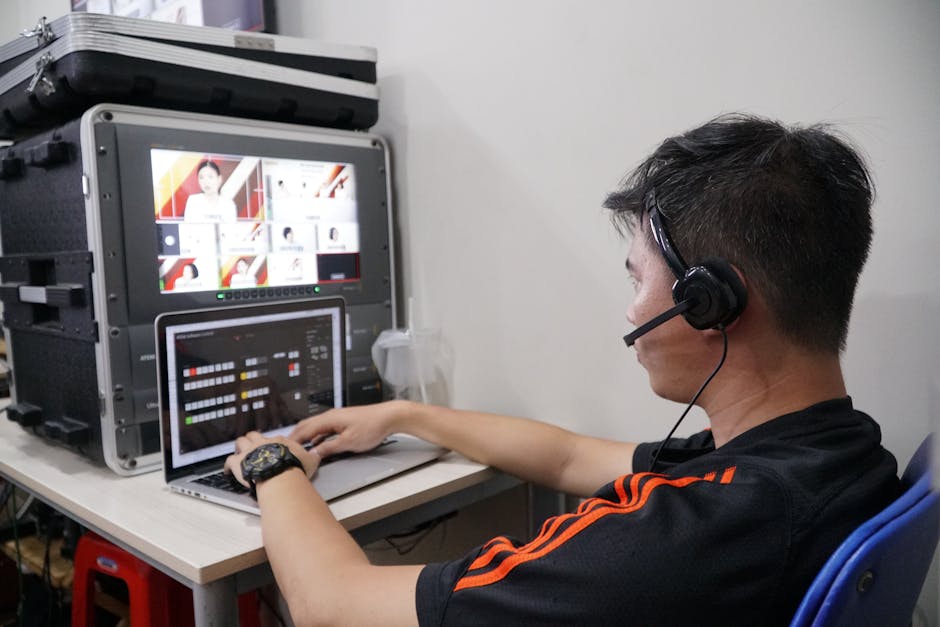
Virtual production is at the heart of this shift. It leverages LED walls, motion capture, and powerful game-engine platforms to create interactive digital environments on set. Real-time visualization tools allow directors and cinematographers to see how virtual backgrounds and lighting integrate with live action as it's being shot rather than waiting weeks for post. This means lighting teams, camera operators, and VFX supervisors can coordinate more intimately, improving both efficiency and creative control.

What Is Virtual Production Lighting?
Virtual production lighting refers to the techniques used to balance and sync lighting on real actors and physical set elements with computer-generated (CG) backgrounds displayed on LED volumes or screens. Because the CG environment dynamically changes with camera angles and movement, lighting must adapt in real time.
This new approach requires lighting teams to:
- Understand the properties of digital light sources within CG scenes. Match virtual and physical lighting characteristics such as color temperature, intensity, and angle. Use programmable LED walls that can emit actual light contributing to scene illumination, reducing the need for separate green screen setups.
Real-time visualization tools display how light interacts on both digital and physical elements, enabling crews to make immediate adjustments on set, streamlining the traditionally iterative post-production process.
How Virtual Production Impacts Camera Movement Planning
Camera movement has always been a pivotal storytelling tool. But when filming on digital sets, especially those incorporating CG backgrounds rendered in real time, planning and executing camera motion requires new considerations.
Previsualization (or Previs): Before principal photography, detailed digital simulations of scenes—including camera paths and lighting—are created using game engines or dedicated previs software. This allows directors and DPs (directors of photography) to anticipate how camera angles and movements will interact with virtual environments. Motion Tracking and Synchronization: Cameras often have mounted sensors that track their position and orientation live. This data drives the rendering of CG backgrounds on LED walls or compositing in real time, ensuring virtual backgrounds move appropriately with camera shifts. Physical Constraints and Freedom: Unlike green-screen setups where actors move in empty space, LED volumes create a more immersive environment, allowing for smoother, more natural camera movements without worrying about lighting mismatches or background inconsistencies.This integration means camera operators must be fluent with both physical equipment and software tools—a blending of cinematography and real-time visualization expertise.
Competitive Advantages: VFX and Animation in BC’s Creative Industry
B.C. has long been a hub for VFX and animation studios, building global reputations for quality and innovation. Digital sets and virtual production represent not just workflow improvements but strategic advantages in creativity and cost efficiency.
- Reduced Location Costs: Digital sets replace expensive or logistically complex location shoots, enabling productions to simulate anywhere from fantastical worlds to realistic urban environments with high fidelity. Faster Turnaround: Real-time rendering and on-set visualization reduce delays between shooting and effects integration, allowing faster creative iteration and less downtime. Talent and Skills Synergy: The same artists skilled in VFX and animation pipelines contribute directly to virtual production stages, enhancing storytelling quality and consistency.
These factors make BC’s creative ecosystem more attractive to major studios and streaming platforms investing in high-end digital content, https://highstylife.com/what-jobs-are-growing-in-vancouver-vfx-and-post-production/ sustaining thousands of skilled jobs and significant GDP contributions.
Interactive Digital Media: A Key Growth Sector in BC
Beyond traditional film and TV, virtual production techniques are increasingly influential Vancouver game studios list in interactive digital media sectors—including video games, virtual reality (VR), and augmented reality (AR). The technical overlap between VFX, animation, and game development expands career opportunities and cross-industry collaborations.
Real-time visualization used for previsualization and virtual sets aligns closely with game engine technology like Unreal Engine and Unity. Many BC studios and freelancers actively contribute across these sectors, strengthening the province’s status as a major creative technology hub.
Summary: How Digital Sets Transform Lighting and Camera Decisions
Aspect Traditional Approach Digital Set Impact Lighting Physically set up on location or soundstage; relies on reference for CG integration in post. Must be synchronized with virtual light sources; adjustments made live; LED volumes contribute actual illumination. Camera Movement Planned with physical constraints and post compositing in mind; limited by green screen boundaries. Planned with 3D previsualization; uses real-time tracking data to render CG backgrounds dynamically; greater freedom and immersion. Background Set Physical sets or green-screen for digital backgrounds added after shooting. CG backgrounds displayed in real-time on LED volumes; integrated with actors and lighting on set. Workflow Siloed phases: shooting, then VFX in post. Integration of virtual production with real-time visualization enables iterative creativity and efficiency.Conclusion
The rise of virtual production and real-time visualization has forever altered decisions around lighting and camera movement in BC’s film and TV industry. These tools digitize workflows that once relied on segmented phases and physical limitations, fostering closer collaboration across departments and faster realization of creative vision. For local studios, this evolution is not just technological but strategic, strengthening their competitive position in a global market hungry for high-quality, immersive digital content.
As interactive digital media continues to grow as a pillar of BC’s creative economy, expertise in virtual production lighting, camera movement planning, CG backgrounds, and previsualization will be even more valuable. For professionals and students interested in BC’s screen industries, mastering these hybrid skills opens doors to a range of exciting career paths where art meets cutting-edge technology.