If I see one more article telling me to "just be mindful" or to wake up at 5:00 AM to perform a two-hour miracle morning routine, I might actually lose it. We are all exhausted. Between the school runs, the endless pile of laundry, and the quiet, persistent buzz of the mental load, adding a "self-care checklist" feels less like a solution and more like a punishment. If your current self-care strategy involves adding *more* things to your already overflowing to-do list, it isn't self-care—it’s just a new job.
After eight years of writing about this stuff, I’ve realized that the best stress management for parents isn't about doing more; it’s about doing less, or at least, doing things differently. Here is how to actually manage the weight of parenthood without turning your downtime into another chore.
The Mental Load and Digital Fatigue
We are living in an era of constant connectivity, and frankly, our brains aren't built for it. When we aren't actively parenting, we’re often scrolling. You hop on Instagram to look for a quick recipe and end up falling down a rabbit hole of perfectly curated playrooms and curated childhoods. Then you switch to TikTok, where the algorithm knows exactly which insecurities to poke at. By the time you put the phone down, your cortisol levels are higher than when you picked it up.
This is "digital fatigue," and it’s a massive contributor to the mental load. You aren't just exhausted from the kids; you’re exhausted from the ambient noise of a thousand other parenting opinions.
Phone Tweaks Over New Products
Stop buying apps or expensive "wellness" devices. Your phone already has everything you need to limit the damage. Try these two-minute settings adjustments:
- Grayscale Mode: Turn your screen black and white. It sounds boring because it is—and that’s the point. It makes social media apps far less stimulating to your brain's reward centers. The "Nuclear" Notification Setting: Go into your settings and turn off *all* notifications except for phone calls and texts from your immediate inner circle. You do not need to know that your weather app has updated or that a random account just posted a new story. Hidden Apps: Move your heavy-hitters (Instagram/TikTok) off your home screen and into a folder on the second page. Adding that one extra swipe creates a "friction barrier" that gives you a split-second to ask: Do I actually want to be here, or am I just numb?
The 10-Minute Rule: Low-Effort Recovery
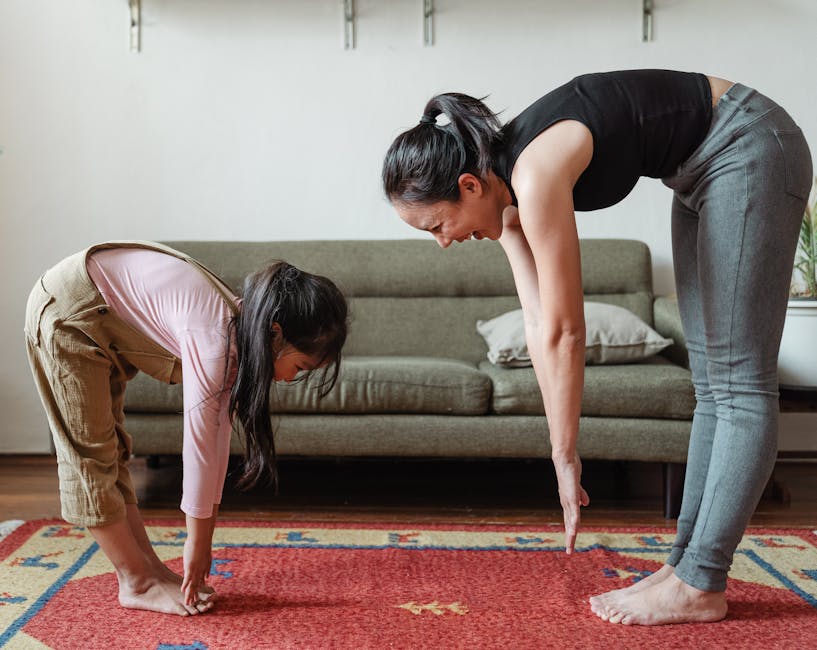
I am a firm believer that if you can't get it done in 10 minutes, it's not a habit; it’s a commitment. When you’re stretched thin, you don't need a full hour at the gym or a meditation retreat. You need 10 minutes of intentional decompression.
If you find yourself spiraling or snapping at the kids, look at the clock. If you can grab 10 minutes, try these "Reset Rituals":
Sleep Quality and Recovery
We need to stop pretending that parents can just "go to bed earlier." If you’re a parent of a young child, your sleep is being interrupted by things outside your control. However, you can control the *quality* of the recovery you get. The NHS has long emphasized that sleep is foundational to mental health, yet many of us treat our wind-down time as a battleground against the day.
Instead of chasing the "perfect" sleep hygiene—which usually involves buying fancy silk pillowcases or expensive weighted blankets—focus on the *environment*.
The 10-Minute Sweep: Before bed, do a 10-minute quick tidy. Not a deep clean, just reset the living room. Waking up to a clear space lowers your baseline stress before you even pour your first coffee. Temperature control: Keep your bedroom cool. It’s a biological trigger for better sleep. Address the physical barrier: If you are struggling with chronic stress or anxiety that prevents sleep, look into legitimate medical pathways rather than miracle supplements. In the UK, for example, clinics like Releaf offer consultations for those exploring medical cannabis as a path to managing symptoms when conventional routes haven't provided enough relief. Always consult your GP first—don't waste money on over-the-counter "sleep aids" that aren't backed by clinical evidence.Emotional Regulation: If-Then Plans for Parents
Regulation isn't about being perfectly calm all the time. It’s about shortening the time it takes to return to baseline after you’ve lost your cool. Stop trying to "be mindful" while your toddler is screaming. That is a biological impossibility in the moment.
Use "If-Then" plans instead. They remove the need for decision-making when you are already flooded with adrenaline.
- If I start to feel my chest tighten and my voice get louder, then I will take two steps back and whisper instead of yell. If I feel overwhelmed by the toys everywhere, then I will put 5 toys in a basket and ignore the rest for today. (This is where quality toys from brands like Premium Joy help—they focus on open-ended play that encourages independence, meaning you don't have to facilitate every single moment of their playtime). If I realize I’ve been on my phone for 20 minutes, then I will put the phone in a drawer for the next hour.
The "Low Effort" Reality Check
Real parenting is messy. Some days, you will fail at all of these. You will yell. You will scroll for two hours. You will eat cereal for dinner. That is not a failure of character; it’s a symptom of a system that wasn't designed to support families.
Managing stress isn't about becoming a different person. It’s about clearing the small obstacles in your environment so that you have just a little bit more room to breathe. Stop looking for the "miracle cure" or the latest bio-hacking trend. If a "self-care" suggestion requires you to research, buy, or subscribe to something new, delete the bookmark and move on.

Your Quick Start Guide to Less Stress
- Check your environment: Is it physically loud? Use those noise-canceling headphones. Is it visually chaotic? Clear one surface. Check your input: Audit your social media feeds. If an account makes you feel like you aren't doing enough, hit unfollow. You are doing enough. Check your biology: Are you thirsty? Are you hungry? Did you actually sit down today? Sometimes, "I’m stressed" is actually just "I haven't had a glass of water in six hours."
Remember, your kids don't need a parent who is perfectly zen and lives by a set of rigid, self-care rules. They need a premiumjoy.com parent who is present, even if that presence is flawed and tired. Give yourself the grace to be human, and let the rest go. You’re doing the work, and that is more than enough.
Disclaimer: This content is for informational purposes only and does not constitute medical advice. Always speak with your GP or a qualified healthcare provider regarding your health, sleep issues, or stress management concerns.