Can your kid sit up and hold their head steady for the whole ride? If the answer is anything less than an enthusiastic "yes," put the wallet away and step back from the checkout counter. I’ve spent nine years in the service department of a high-volume bike shop, and I’ve seen enough "almost" accidents to fill a notebook. Actually, I do have a notebook. It’s a tiny, frayed thing in my pocket where I track every loose bolt, rattling fastener, and snapped bracket that rolls into the shop.

When parents come in asking about the difference between a child seat weight limit and a rear rack weight rating, they’re usually looking for a shortcut. They want to know if they can stretch the rules just a little to keep using their current setup for one more season. Here is the hard truth: when you mix high-speed traffic, a bike with an altered center of gravity, and a precious cargo load, "stretching" the rules is how you end up in my service bay—or worse, the ER.
The Physics of the Setup: Understanding System Weight
The most common question I get is, "Which limit matters more?" The answer is simple: the weakest link. In the world of bike seat compatibility, there is no "margin of error" for convenience. If your seat is rated for 40 lbs, but your rack is only rated for 25 lbs, your system limit is 25 lbs. Period.
Most parents think the seat is the structural backbone. In reality, the seat is just the cradle; the rack is the chassis. If the rack fails, the seat goes with it. We have to look at the total system weight, which includes:
- The child's weight. The weight of the seat itself (some are heavy!). The contents of the child’s backpack, jacket, or toy haul.
When you ignore the rear rack weight rating, you aren't just risking a bent frame. You are fundamentally changing the handling of the bike. A rack overloaded beyond its engineered capacity will flex, oscillate, and eventually fatigue the metal, leading to a catastrophic failure mid-ride.
Age is Just a Number: Defining Developmental Readiness
I hear people say, "Well, the box says 9 months and up." That is marketing, not medical advice. I’ve seen 9-month-olds with the core strength of a tripod, and I’ve seen 18-month-olds who turn into a pile of laundry the moment they get tired. Forget the "when they are ready" vague advice. Here are the specific signs that your child is physically ready for a bike seat:
Independent Sitting: They can sit unsupported on the floor for 15+ minutes without slumping or needing to lean on their hands. Neck Strength: They can hold their head up, even with a helmet on, while moving. A helmet adds weight; if their head bobs while they are sitting in your living room, it will bob dangerously on a bumpy bike path. Stamina: They have the core stability to stay upright through a "test ride" around the block. If they fall asleep and their head hits their chest, your ride is over.Seat Types: Where Should the Weight Go?
Choosing between a front seat, a rear seat, or a trailer isn't just about weight—it’s about balance. Every child seat shifts the center of gravity. As a service writer, I’ve seen too many parents mount a seat that interferes with their pedaling. If you have to bow your legs to clear the seat, you lose power and stability, which is a recipe for a tip-over when stopped.
Seat Type Best For Weight Considerations Handleability Front-Mounted Infants (with high neck control) Strictly low weight (usually up to 33 lbs) Excellent; keeps child in sight Rear-Mounted Toddlers/Preschoolers Heavier; requires sturdy rack Fair; shifts balance to the rear Trailer Multiple kids/Long rides High capacity (up to 100 lbs) Heavy; impacts braking distanceThe Helmet Fit Check: My Number One Pet Peeve
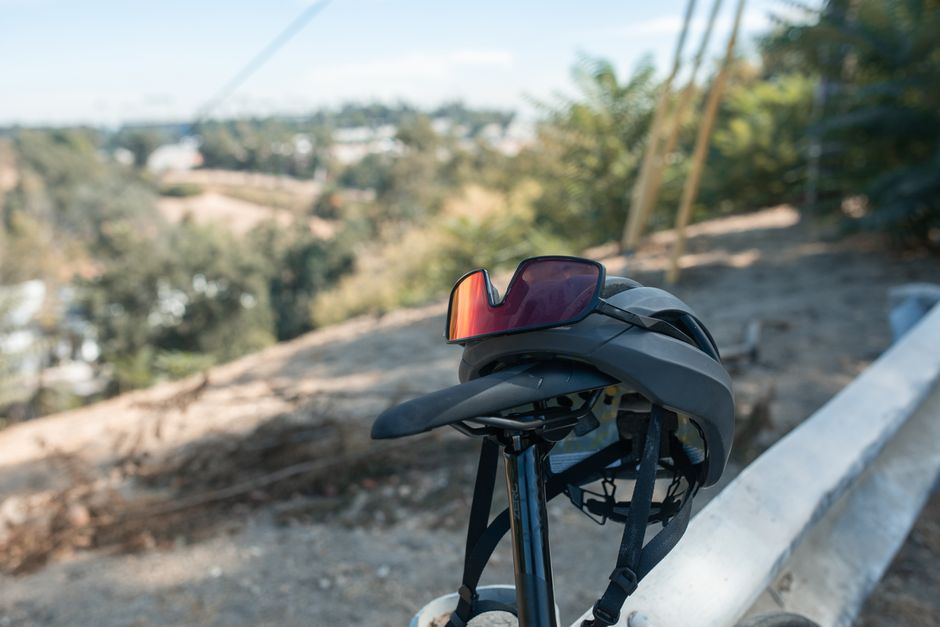
If I see one more kid with their helmet tilted back, exposing their forehead, I’m going to lose my mind. A helmet is not a hat. It is a piece of safety equipment designed to protect the front of the skull. If the straps are loose or the helmet sits back, it’s useless.
The "Two-Finger" Rule: Place two fingers above your child's eyebrows. The helmet should sit right above those fingers. If the helmet slides back, it doesn't fit. If the side straps don't form a perfect "V" under the ears, it doesn't fit. And if the buckle isn't tight enough that you can only fit one finger between the strap and the chin, it's a liability, not a safety feature.
I don't care how "cute" it looks or how much they complain that it's tight. It stays on, it stays level, and it stays buckled. Every single time.
The Maintenance Notebook: Things That Rattle Loose
My tiny notebook is filled with the ghosts of bad installations. When you mount a child seat, you are adding vibration-heavy equipment to your bike. Steel frames, aluminum racks, plastic seats—they all expand and contract at different rates. If you don't check these every three rides, you’re asking for trouble:
- The Rack Stays: The bolts holding the rack to the frame dropouts are the #1 source of failure. Use blue Loctite, and check them with a wrench, not just your fingers. Seat Quick-Release: If your seat has a quick-release lever, check the tension. I once saw a seat slide backward while the parent was climbing a hill because the clamp hadn't been tensioned since last summer. Footrest Straps: If a child’s foot slips and hits the spokes while you are moving, it causes an instant, violent stop. Keep those straps tight, and if your seat doesn't have spoke guards, you need to install them immediately.
The Golden Rule: The Test Ride Without the Child
This is where parents always roll their eyes at me, but I insist: Take the bike out for a ride with a sack of flour that weighs the same as your child *before* you put them in the seat. Why?
Heel Strike: Can you pedal normally without your heels hitting the rear seat? If you have to adjust your foot placement, you’ll fatigue quickly. Braking Distance: Does the extra weight make your brakes feel mushy? If you have mechanical rim brakes, you might need new pads or a cable adjustment to handle the extra stopping distance. Balance: Can you stand over the bike and hold it upright with the weight? If you feel like the bike is pulling you over when you lean to a stop, you aren't ready to carry a passenger.Final Thoughts: Don't Compromise
The bike industry is great at selling us "adventure," but the reality of riding with a child is a technical task. When you are looking at weight limits, always defer to the manufacturer’s lowest number. When you are looking at your child, always defer to their developmental stability.
If you take the time to perform proper bike helmet fit checks and verify your rear rack compatibility, you’ll spend your time enjoying the ride rather than worrying about the gear. I’ve seen thousands of miles logged by families who respected the weight limits and the geometry of their bikes. Those are the families who still come back to the shop, happy and safe, year after year.
Do your checks, tighten your bolts, and for heaven's sake, keep those helmets level. I’ll be here in the shop if you have any questions—but please, don't make me add your bike to my list of "rattles."