When shopping for a new leather bag, briefcase, or backpack, it's easy to get caught up in the specs and marketing labels splashed across product pages. Terms like "genuine leather," "full-grain," or "premium vegetable-tanned hide" can make the choice seem straightforward. But if you've ever faced a zipper failure, a flaking buckle, or a worn-out strap, you know the specs on day one tell only part of the story. What truly determines an item's value and longevity is its repairability.
In this post, we'll unpack why repairability should take priority over standalone specs when investing in long-lived purchases. We'll dive into honest truths about leather grades and tanning methods, spotlight hardware quality—especially zippers as a common failure point—and highlight trustworthy brands and certifications like Von Baer, YKK, and the Italian Cuoio Superiore seal. Along the way, we'll reference tools like Unsplash and Pexels for visual examples that underscore these points.

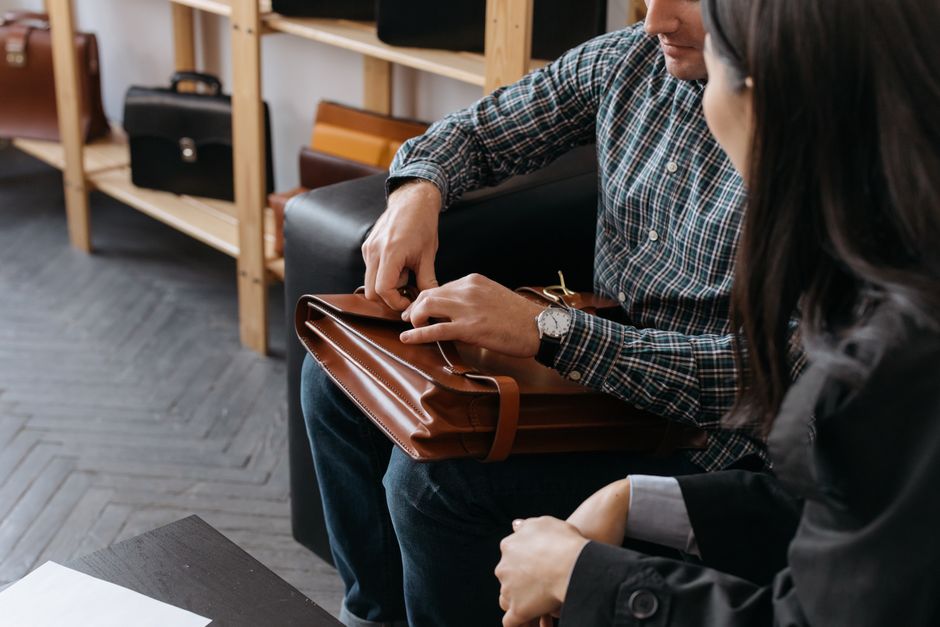
Understanding Leather Grade Truths vs. Marketing Labels
Leather is a natural material, but not all leather is created equal—something often obscured by vague marketing terms. As a former retail buyer and repair intake editor, I’ve seen countless products marketed with fancy labels that don’t always hold up under scrutiny.
Decoding "Genuine Leather"
One of my biggest pet peeves is the phrase "genuine leather." Contrary to what it might imply, this label actually denotes the lowest quality leather after the top layers have been removed. It's essentially the baseline, and often paired with heavy chemical treatments or bonded layers glued onto fiber backings. While it’s understandable marketing departments want to make their products sound appealing, “genuine leather” is simply too vague and often misleading.
Full-Grain vs. Top-Grain
- Full-Grain: This is the highest quality leather, retaining the surface grain and natural marks. It develops patina and durability with time, making it ideal for long-lasting products. Top-Grain: Slightly sanded down to remove imperfections; still good quality but less durable than full-grain.
Look for clear, honest disclosures from brands about leather grade, and avoid the temptation to be swayed solely by labels without verification.
Vegetable Tanning vs. Chrome Tanning: Why It Matters
I'll be honest with you: understanding the tanning process also plays a key role in assessing product longevity and repair potential.
Tanning Method Description Durability & Repairability Environmental Impact Vegetable Tanning Uses natural tannins from tree bark and plant extracts Stronger, develops beautiful patina over time, easier to repair and recondition More eco-friendly, biodegradable Chrome Tanning Employs chromium salts for faster tanning Softer and more flexible initially but less durable; harder to repair due to chemical treatments Poorer environmental profile; toxic waste concernsBrands like Von Baer emphasize vegetable tanning, combining traditional craftsmanship with modern design. Their commitment to this method ensures their leather ages gracefully and can be repaired or restored with minimal fuss.
Hardware as the Common Failure Point
If the leather is the body, hardware is the skeleton of any bag or leather good. No matter how high-quality the leather, the durability and repairability of an item will often hinge on the hardware used.
- Plated Hardware: Easily flakes and chips after frequent use or exposure to moisture. It’s often found on disposable or lower-tier luxury items. Solid Brass or Stainless Steel: Heavier but much more durable. Items featuring these metals tend to offer longer lifespans and easier repairs. Rivets, Buckles, and Snaps: These points often bear the brunt of mechanical stress, so their quality matters as much as zippers.
When inspecting a leather good in-store or online, look for detailed product photography or specs that explicitly spell out hardware materials. Brands ignoring this detail should be approached with caution.
Why Zipper Quality Matters and YKK as the Benchmark
In my years handling warranty repair clauses, the zipper consistently ranks as the most common hardware failure point. Its functionality is critical to the usability of nearly any bag.
YKK: The Gold Standard
YKK zippers are often heralded as the global benchmark for quality zipper manufacturing. Their high consistency, durability, and smooth operation make them the go-to choice for premium leather goods makers.
- I always check zipper brand stamps first before anything else—it's a simple yet powerful indicator of an item's build quality. Many brands that cut corners will use generic or unbranded zippers prone to jamming, teeth loss, or stuck sliders, significantly diminishing repair options. Thanks to YKK’s widespread availability, finding replacement zippers or repair parts is easier, which directly contributes to the repairability of your item.
So, when shopping, prioritize products with YKK zippers or an equivalent reputable brand. Avoid vague photos that don't show zipper pull inscriptions or products that only mention "high-quality zippers" without specifics.
The Power of Warranty Repair Clauses
Another dimension of repairability—often overlooked—is the company's warranty and repair policy. Comprehensive, transparent warranties tailored to the expected use of the product signal a brand’s confidence in longevity.
- Clear repair provisions: How long does coverage last? What parts are included? Are repairs handled in-house or outsourced? Cost of repairs: Are warranties fully covered or partial? Affordability can make or break your willingness to maintain the item long-term. Ease of initiating repairs: Does the brand offer a straightforward repair intake process? This is where my editing experience with warranty returns highlights the importance of well-designed customer service.
Brands that marry solid materials with good warranty repair clauses foster a culture of sustainable, long-lived purchases—reducing landfill waste and encouraging mindful consumption.
Certified Excellence: Cuoio Superiore and Italian Craftsmanship
Italy is synonymous with heritage leather craftsmanship. The Cuoio Superiore certification seal is a hallmark of rigorous standards regarding tanning, stitching, and assembly. Products bearing this certification promise:
- Use of high-quality raw hides Vegetable tanning processes aligned with ecological norms Superior finishing techniques minimizing shortcuts A high degree of repairability, thanks to traditional quilting and hardware choices
When you see Cuoio Superiore stamped on leather goods, you’re investing in a product with longevity engineered into its DNA, not just marketing hype.
Visualizing Repairability: Using Unsplash and Pexels
Sometimes, visual proof underscores our trust in a product’s craftsmanship. Platforms like Unsplash and Pexels offer free, high-quality imagery of well-crafted leather goods showcasing:
- Close-ups of zipper brand stamps (frequently YKK) Examples of durable hardware free from plating flaking Vegetable-tanned leather patinas developing over time
Exploring these visuals can sharpen your eye https://thebossmagazine.com/post/what-to-look-for-in-a-briefcase-that-will-outlast-your-career/ for trustworthy details when browsing online product pages—which, as I always counsel, should never lack clear, spec-driven imagery.
Conclusion: Prioritize Repairability Over Day-One Specs
Specs offer a snapshot, but repairability defines a product’s lifespan and your ultimate value as a buyer. By focusing on authentic leather grades, vegetable tanning versus chrome tanning, durable hardware, proven zippers with brands like YKK, and sensible warranty repair clauses, you ensure your investment stands the test of time.
Brands like Von Baer and products bearing the Cuoio Superiore seal represent a blend of transparency, craftsmanship, and repair-friendly design that are increasingly rare in today’s disposable luxury landscape.
Remember: true quality reveals itself not at purchase, but through years of use—and attentive care enabled by thoughtful repairability.